This article is due for review. Check the linked primary guidance for changes before relying on it.
The court outcome and the earlier incident
HSE reported on 16 October 2026 that City Electrical Factors Limited was fined £4 million at Birmingham Magistrates Court after pleading guilty to breaching section 2(1) of the Health and Safety at Work etc. Act 1974. The court also ordered £6,304 in costs.
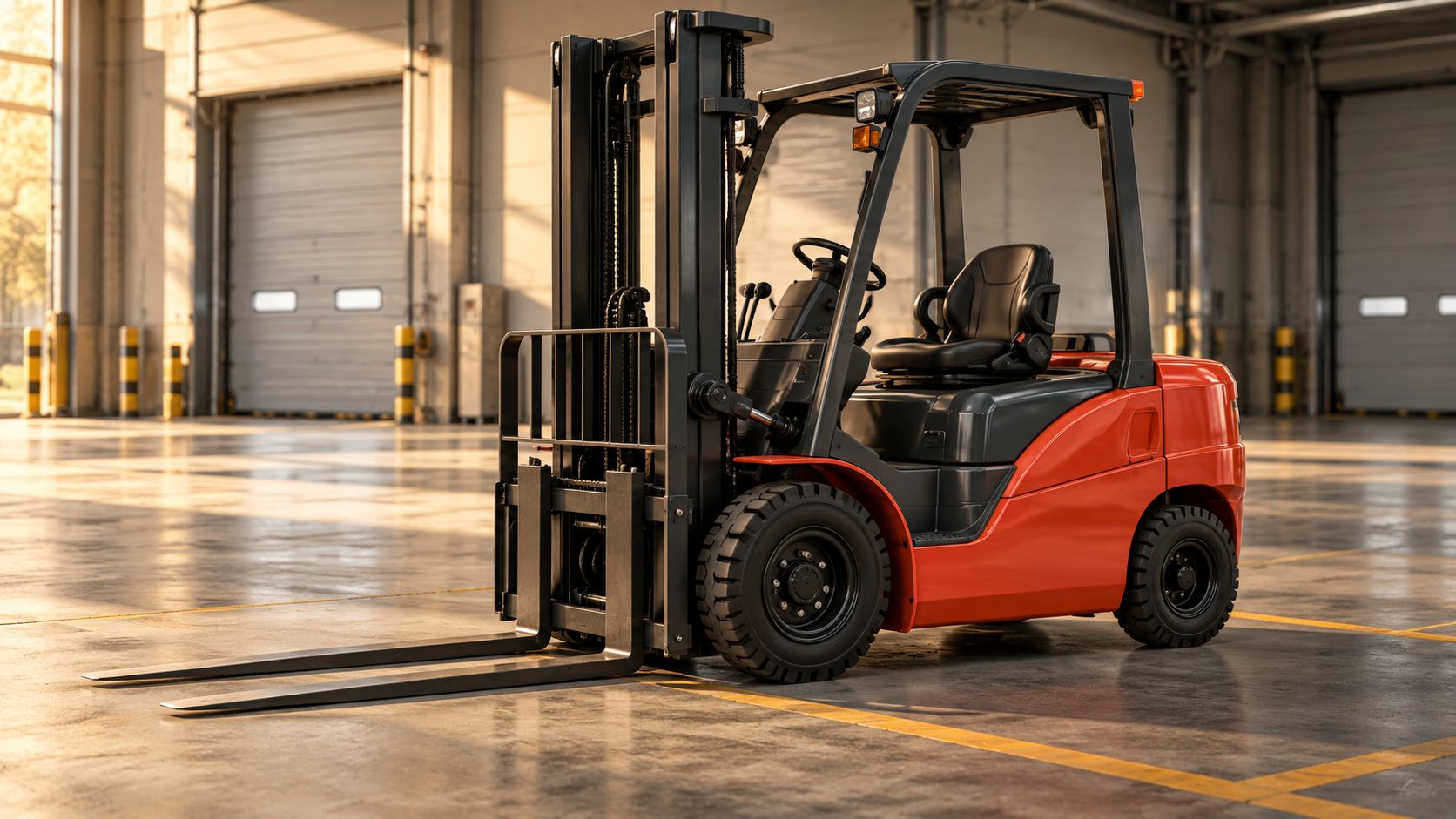
The incident happened on 4 October 2024 at the company’s Proteus Switchgear Industrial Division in Telford. According to HSE, an unsecured 231 kg switchboard load fell from a forklift onto an employee during loading onto a flatbed lorry. Brain and spinal injuries left him needing round-the-clock care.
HSE found that this regular operation had no risk assessment or lifting plan, and workers lacked information and instructions. Employees were expected to steady loads during movement.
Make routine plans earn their place
HSE’s planning guidance allows a generic plan for straightforward, common lifting operations, potentially within the activity’s risk assessment. That plan must remain valid. More complex routine operations may need planning each time.
For managers, the useful review is whether the existing plan describes today’s work. HSE says planning should address foreseeable risks, resources and responsibilities, with detail proportionate to risk. A familiar job still needs an appropriate basis for deciding who plans it and what competence they need.
Agree the arrangements across the loading bay
HSE’s loading and unloading guidance says companies involved should agree arrangements in advance. It also calls for loading areas to be clear of unnecessary people and other traffic, with a safe waiting place for drivers who are not involved.
A practical management discussion can establish who coordinates the delivery, how instructions reach a visiting driver and who resolves a mismatch between the expected vehicle and the one that arrives. Leaving those questions until unloading begins reduces the opportunity to settle them calmly.
Review changes with the people doing the work
HSE links supervision to risk and the competence and experience of those involved. It recognises that everyday operations may need different oversight when circumstances change.
PULSE’s suggested management response is to ask the team whether the documented arrangements still match the task. Record uncertainties and refer questions about load stability or equipment suitability to a person with appropriate competence. This article does not establish a lifting method for an individual site.
Give the follow-up an owner
For Cornwall businesses reviewing deliveries, a manageable next step is to identify which arrangements need checking, assign responsibility and confirm that agreed changes have reached those involved. Keep the review connected to the next operation.
Harvtec’s scoped compliance support can help organise agreed site checks, records and follow-up actions. Any specialist lifting input needs to match the operation and the competence it requires.
Sources & further reading
- HSE: Electrical wholesaler fined £4million after worker’s crush injuries mean he now needs 24/7 care Source published 16 October 2026 · Accessed 20 October 2026
- HSE: Planning and organising lifting operations Accessed 20 October 2026
- HSE: Safe driving — loading and unloading Accessed 20 October 2026
The reporting above is attributed to its source. Practical interpretation is PULSE’s. This is general information, not a site-specific assessment or safety sign-off.
No material corrections recorded. Tell us about an error, quoting this article’s title.